
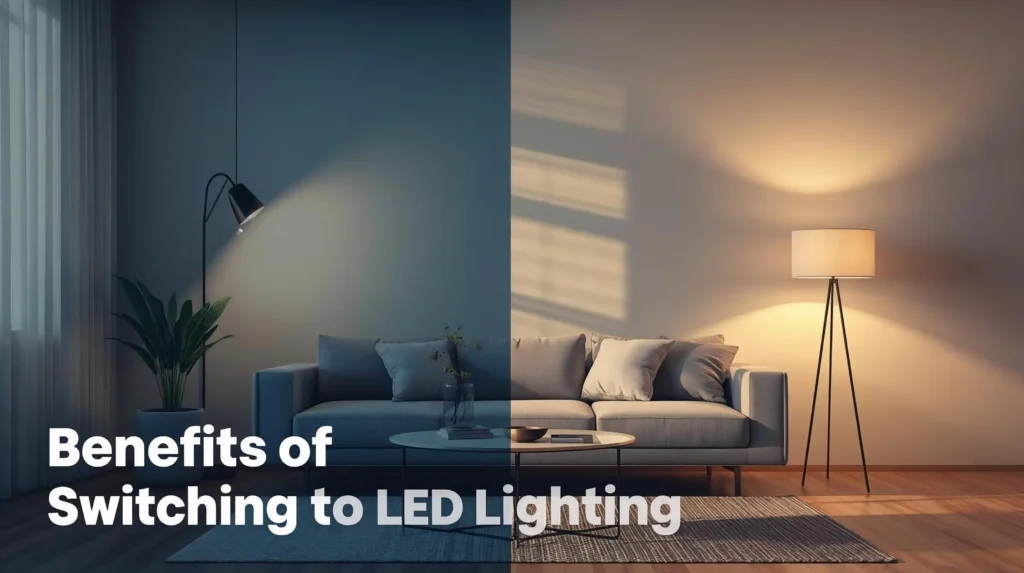
Lighting is being one aspect that most individuals do not give much thought unless there is some trouble. A bulb burns out too often. The room feels too dim. The electricity bill is more expensive than anticipated. The use of lighting has a slight influence on our everyday life, comfort, and costs even when we are not concerned.
LED lighting does not relate to changing a trend. It is a pragmatic move that follows the frustration of increasing energy prices and frequent changes of bulbs. As soon as individuals learn about the functionality of LED lighting and the benefits that it presents, the transition tends to become self-evident as opposed to complex.
What Is LED Lighting
LED lighting is not like traditional bulbs. Rather than heating a thin wire and thus making it light, LED bulbs employ the use of a small electronic part which would generate light more effectively.
Owing to this technique, LED bulbs consume much less heat as energy. More of the electricity goes directly into producing light. This simple difference is the foundation of nearly every benefit that LED lighting provides.
Benefits of Switching to LED Lighting
Energy Efficiency
The level of electricity consumed in LED lighting is significantly low in comparison to the former lighting systems. The same degree of brightness is received with a fraction of the power.
This is of utmost importance in areas that require extended time of lights e.g. living rooms, kitchens, offices, shops, and gardens. The decreased energy consumption is highly noticeable over a period of time.
Lower Electricity Costs
Use of less energy automatically results in a reduced electricity bill. When purchasing LED bulbs, you tend to spend a bit more but hence every month you will end up saving money after installation.
The difference in many households is observed in their initial billing cycles. Businesses often see even faster results due to higher lighting usage.
Longer Lifespan
The longevity of the bulbs is another significant advantage of using LED lights that are greatly valued. The LED bulbs can last many years before they require any replacement.
It implies that the number of visits to the shop is reduced and the amount of time spent replacing bulbs is decreased. This also saves costs and labor in case of buildings containing a great number of fixtures.
Environmental Benefits
LED lights will be more environmentally friendly. Consumption of less electricity minimizes the workload placed on power plants, a factor that helps in lowering the level of emissions.
There are also extended lives of LED bulbs thus resulting in minimal waste of the bulbs. They are not loaded with dangerous substances thus being easier to dispose of than some of the traditional sources of lighting.
Better Light Quality
LED lighting offers a consistent and constant light. The light switches on immediately and it does not fade away as time goes by.
Color options also exist in a great number. Warm colors are complementary in the areas of relaxation and bright color enhances concentration and effectiveness in work landscapes.
Safety and Durability
LED bulbs take in heat, unlike traditional bulbs. This minimizes burns and fire hazard particularly in closed fixtures.
They also endure longer and rarely get broken as a result of small hits. This renders them both indoor and outdoor.
Real Life Example
After growing bored with the common replacements of bulbs in their household, a family switched all the lights in their house to LED bulbs. Initially, they felt that the rooms were more comfortable and a lot brighter. A couple of months later, they enjoyed a reduction in their electric bills. They had not changed a single bulb by the end of the year and the savings had already paid the initial switching cost.
LED Lighting Compared to Traditional Bulbs
| Feature | LED Lighting | Traditional Bulbs |
| Energy use | Very low | High |
| Lifespan | Many years | Short |
| Heat output | Minimal | High |
| Maintenance | Rare | Frequent |
| Environmental impact | Lower | Higher |
| Light quality | Stable and clear | Often uneven |
Key Points
• LED lighting uses much less electricity
• Lower power use reduces monthly bills
• LED bulbs last significantly longer
• Fewer replacements mean less maintenance
• Light quality is consistent and reliable
• Safer and more environment friendly
Conclusion
Replacing light with LED bulbs is a viable change that is worth making in the long run. It decreases the consumption of energy, decreases expenses, and enhances comfort in everyday life. After installation, LED lighting needs minimal attention yet it is still able to provide reliable performance.
In both residential and commercial cases, LED lighting does not reduce any brightness or quality of lighting, as it is of long term worth.
In case you are planning on changing your lighting, consider the high quality LED that is found at Morebulb. You will get quality products that can save you on energy, on money and offer you performance that is sustainable.
Frequently Asked Questions
What are the benefits of switching to LED lighting
LED lighting saves energy, lowers electricity bills, lasts longer, and provides better light quality.
Do LED lights really reduce electricity bills
Yes. Because they use less power, LED lights help lower monthly energy costs.
How long do LED bulbs usually last
Most LED bulbs last several years under normal daily use.
Are LED lights safe to use at home
Yes. They produce very little heat and are safer than traditional bulbs.
Is LED lighting better for the environment
Yes. Lower energy use and longer lifespan reduce waste and emissions.
Are LED bulbs worth the higher price
Yes. Over time, the savings on energy and replacements outweigh the initial cost.