
For importers, distributors, lighting brands, and project buyers, choosing the right LED filament bulb manufacturer is not only about product appearance. It is about finding a supplier that can combine decorative style, stable lighting performance, and reliable OEM execution for your market. If you are still comparing standard versus decorative categories, start with our LED bulb manufacturer guide and then return to this article for the decorative side of the decision.
LED filament bulbs are different from standard household LED bulbs because buyers often sell them on both function and visual appeal. Customers expect warm ambience, attractive bulb shapes, and a classic look, but they also expect consistent performance, energy efficiency, and dependable quality. That means B2B buyers need to evaluate suppliers carefully before moving from sampling to bulk orders.
This guide explains what buyers should look for when comparing LED filament bulb manufacturers and how to choose an OEM partner that supports long-term decorative lighting business.
Why LED Filament Bulbs Need a Different Sourcing Approach
Unlike basic utility bulbs, LED filament bulbs are frequently used in decorative, hospitality, retail, and interior-focused projects. In many cases, the end customer sees the bulb itself as part of the design. Shape, glass finish, filament layout, light color, and dimming effect all influence the buying decision.
Because of that, a decorative LED bulb manufacturer must do more than provide a standard electrical product. The supplier should understand how decorative lighting is sold and used in real projects, whether the destination is a hotel, cafe, restaurant, boutique, event space, or premium home retail range. You can also review MoreBulb’s LED filament bulb product page to compare typical shapes and applications.
For B2B buyers, this means supplier evaluation should include visual consistency, product family depth, packaging quality, and application fit in addition to price and lead time.
Key Factors to Evaluate When Choosing an LED Filament Bulb Manufacturer
1. Decorative Product Range
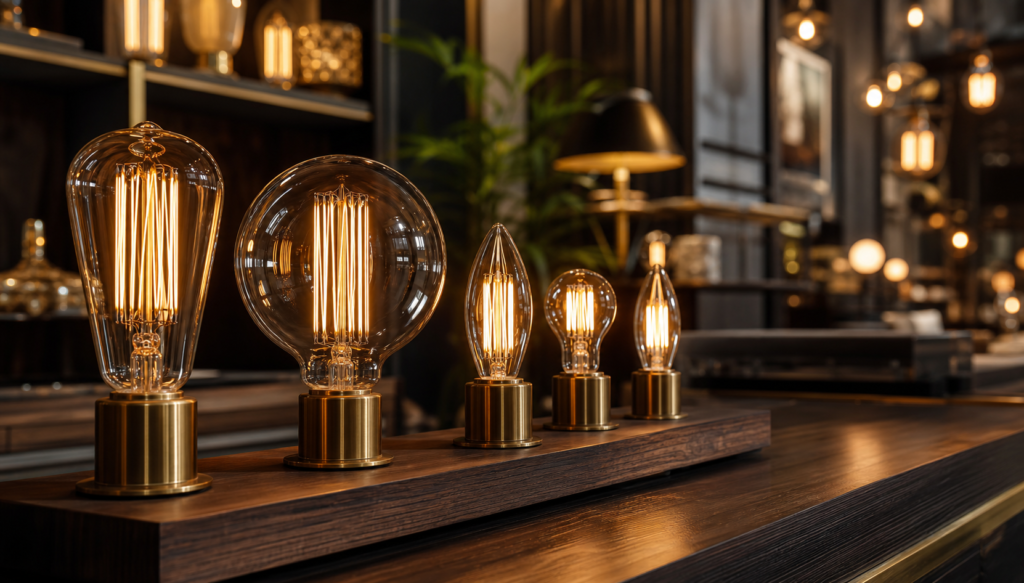
The first thing to review is whether the supplier offers a broad enough LED filament bulb range for your market needs. Decorative lighting buyers often require more than one shape or size. A project may start with ST64, but later expand into G95, G125, T30, C35, or other vintage-style options.
A reliable LED filament bulb manufacturer should be able to support common decorative models and help buyers choose products according to end-use environment, channel position, and price target. This matters because a supplier with only a narrow range may limit your ability to build a complete and competitive decorative product line.
2. Light Color and Atmosphere Consistency
Filament bulbs are often selected for mood and ambience, so light quality matters more than many buyers first expect. Warm color temperature, consistent glow, and visual comfort are all important, especially for hospitality and interior projects.
When comparing suppliers, buyers should ask about available color temperature ranges, dimmable options, and how light appearance is managed across repeat production. If one batch looks warmer, brighter, or visually different from another, that inconsistency can create complaints in decorative retail and project environments.
A strong OEM LED filament bulb supplier understands that visual consistency is part of product quality, not just a secondary detail.
3. Glass Shape, Finish, and Product Styling
For vintage LED bulb supply, appearance plays a major role in market acceptance. Buyers should review whether the manufacturer can offer:
- Clear glass and amber glass options
- Standard and decorative bulb shapes
- Different filament layouts
- Dimmable models
- Multiple base types for export markets
These options are especially useful for private label brands building a more complete catalog. When a supplier can support a wider style range, buyers can serve more than one customer segment without switching factories.
4. OEM and Private Label Support
Many decorative lighting buyers do not want generic products alone. They need packaging, branding, and specification choices that fit their own market positioning. A capable LED filament bulb manufacturer should support:
- Private label packaging
- Logo printing where suitable
- Market-oriented carton design
- Product mix planning for decorative series
- Sample development and confirmation
For a branded decorative line, packaging quality matters almost as much as the bulb itself. If the product looks premium but the box presentation is weak, the overall market impression suffers. For buyers handling both utility and decorative SKUs in one sourcing program, it is useful to compare this with the packaging checkpoints in this standard LED bulb sourcing guide.
5. Dimming and Application Compatibility
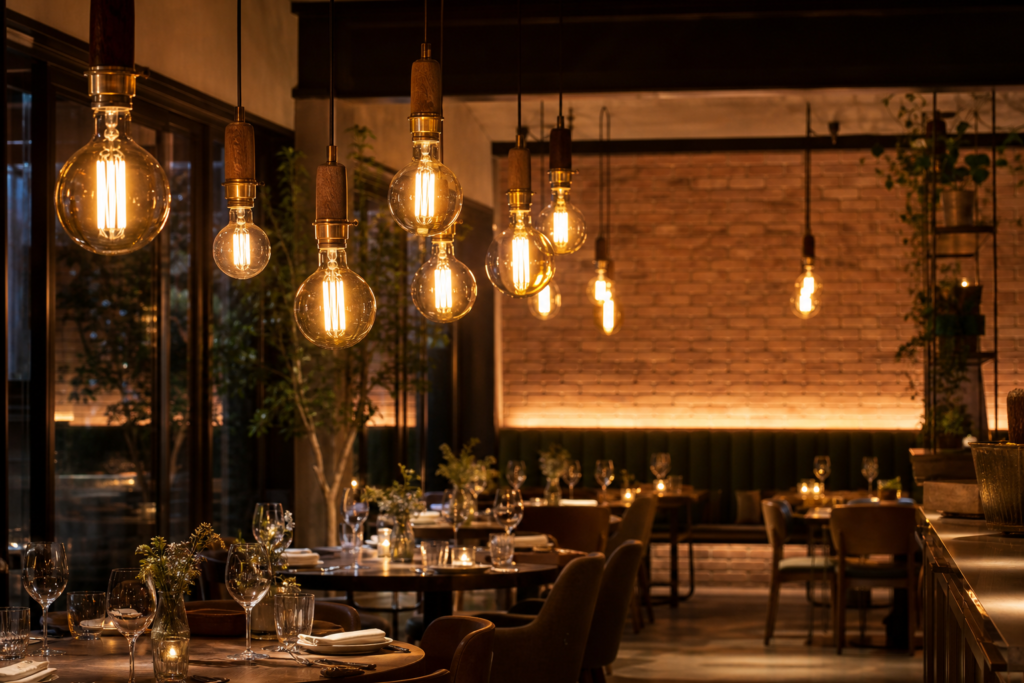
Many filament bulb projects require dimming, especially for restaurants, hotels, cafes, and decorative home use. Buyers should confirm dimming availability and discuss the intended use environment before placing an order.
A practical supplier will help identify whether a product is better suited for retail decorative use, hospitality ambience, or more general residential channels. This kind of application guidance is useful because the same bulb style may perform differently depending on how and where it is installed.
6. Quality Control and Repeat Order Stability
Decorative lighting products still need strong technical control. A buyer may focus first on style, but repeat business depends on product consistency. A professional LED filament bulb manufacturer should be able to explain how finished products are checked for appearance, function, and packaging accuracy before shipment.
In decorative categories, consistency includes:
- Stable glass appearance
- Consistent light color
- Reliable filament presentation
- Uniform packaging execution
- Reduced variation between orders
For B2B buyers, this matters because even small visible differences can affect the perceived quality of a decorative lighting brand.
Typical Markets for LED Filament Bulb Projects
Buyers usually source LED filament bulbs for markets where lighting contributes to visual experience as well as illumination. Common applications include:
- Hotels and boutique hospitality projects
- Restaurants, bars, and cafes
- Home decor and lifestyle retail
- Decorative wholesale lighting programs
- Interior design supply
- Online premium lighting sales
These markets usually care about both product presentation and practical reliability. That is why supplier selection should balance design appeal with production discipline. If your business also includes everyday replacement bulbs, adding a standard LED bulb product line alongside decorative filament models can create a stronger overall catalog.
Questions Buyers Should Ask Before Choosing an OEM Supplier
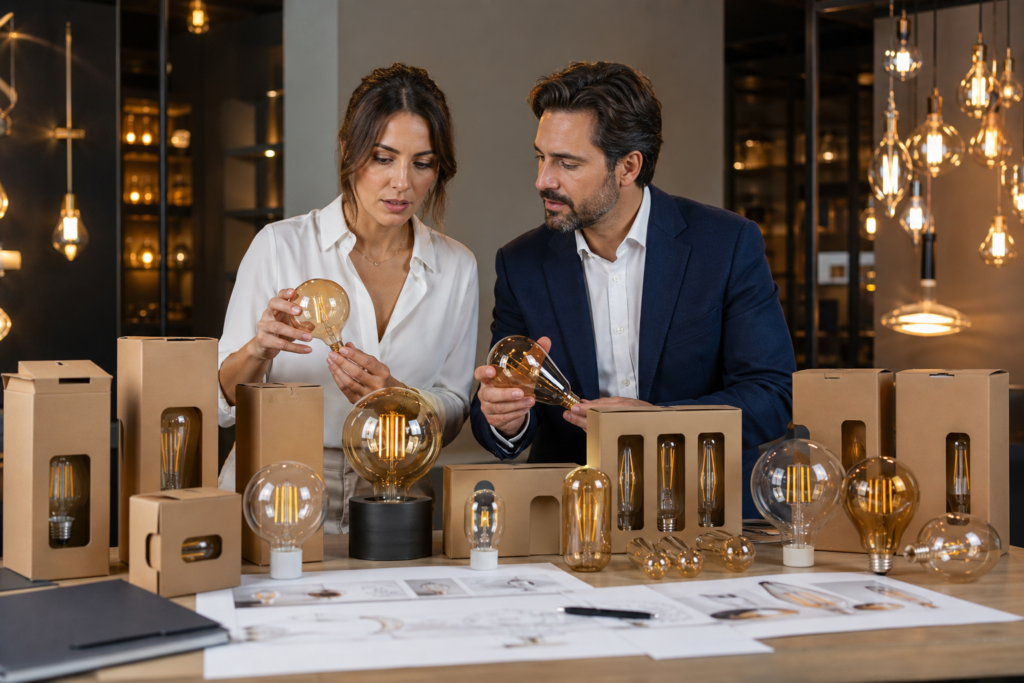
To compare LED filament bulb manufacturers more effectively, buyers should ask focused questions early in the sourcing process:
- Which filament bulb shapes are most popular for my target market?
- Do you offer clear glass, amber glass, and decorative shape options?
- Are dimmable versions available?
- Can you support private label decorative packaging?
- What is the MOQ for standard items and custom packaging?
- Can I mix multiple decorative models in one sourcing program?
- How do you manage appearance consistency across bulk orders?
- What is the normal lead time after sample confirmation?
These questions reveal whether the supplier is prepared for real decorative lighting business or only offering a limited standard range.
Common Mistakes Buyers Make in Decorative Bulb Sourcing
One common mistake is choosing products only by photo appearance. A bulb may look attractive in a catalog but may not fit the intended channel in terms of brightness, atmosphere, size, or dimming expectations.
Another mistake is underestimating packaging importance. Decorative bulbs are often purchased in channels where presentation influences conversion, so weak packaging can reduce the perceived value of the whole product line.
A third mistake is failing to plan the full decorative range early. Buyers sometimes begin with one popular model and only later realize they need matching shapes, finishes, or wattage options. It is usually better to work with a supplier that can support product family expansion from the beginning.
What Buyers Usually Need From a Decorative LED Bulb Manufacturer
In practical terms, most serious buyers are looking for the same core combination:
- Attractive and saleable decorative bulb designs
- Stable light appearance and performance
- OEM and private label support
- Reasonable MOQ and flexible project planning
- Consistent production and responsive communication
When a manufacturer can support all of these areas, cooperation becomes much smoother, especially for brands trying to build a repeatable decorative lighting business rather than purchasing one-off items.
Building a Long-Term Decorative Lighting Program
The best decorative lighting supply relationships usually begin with a clear product direction. Buyers define the channel, design style, target price level, and preferred bulb shapes. The manufacturer then recommends suitable models, prepares samples, confirms packaging direction, and moves step by step toward bulk production.
This approach works better than rushing directly into a mixed order without clear positioning. Decorative lighting is a category where product fit and visual consistency matter a great deal, so a structured sourcing process helps reduce avoidable mistakes.
For many importers and private label brands, the right LED filament bulb manufacturer becomes more than a factory. The supplier becomes a long-term partner that helps expand product range, improve presentation, and support new decorative market opportunities.
Conclusion
Choosing the right LED filament bulb manufacturer requires buyers to evaluate more than price and basic specification. Decorative product range, atmosphere consistency, styling options, packaging support, dimming availability, and repeat-order stability all matter in this category.
For B2B buyers serving hospitality, retail, and decorative lighting markets, the best supplier is usually the one that combines visual understanding with reliable OEM execution. That combination helps buyers build a stronger product line and reduce sourcing risk over time.
If you are looking for an OEM LED filament bulb supplier, begin with your target market, preferred shapes, packaging needs, and sales channel requirements. A suitable manufacturing partner should help turn that direction into a stable and saleable decorative lighting program. For a broader sourcing checklist covering MOQ, lead time, and factory communication from the standard category side, read our companion article on standard LED bulb sourcing.